By: Naomi York, Haverford ’26; Image by National Geographic
From the outset, climate change should be understood not only as a significant environmental issue but as an important and accelerating national security threat. In recent decades, the discussion of climate change has shifted from being primarily an environmental or ecological concern to being recognized as a critical issue for national and global security. Scholars, military leaders, and government agencies increasingly warn that climate change is a “threat multiplier” that can worsen existing vulnerabilities and spark new threats, ranging from conflict and migration to disruption of military readiness and infrastructure. Recognizing climate change through a security lens is important because other forms of climate related costs, economic, ecological, or humanitarian, have not generated sufficient urgency to prompt large-scale action.
Climate change influences a range of factors: weather extremes, sea-level rise, droughts, etc. Fluctuations in these factors can undermine human security. According to a report by the Center for Climate and Security (CCS), in the event of warming scenarios of 1-2 degrees Celsius above pre-industrial levels (which the world is already coming close to), and especially more severe warming, like 2-4+ degrees Celsius, the security risk posed towards humanity moves from “high” to “catastrophic”. Moreover, because climate change affects infrastructure, the destabilization of infrastructure creates additional threats to humanity’s security that are not present with more stable infrastructure, and ultimately climate.
Here, security risk refers to threats such as state instability, resource-driven conflict, mass displacement, and military vulnerability, risks faced by both the United States and the international community. The U.S. Department of Defense (DoD) formally recognizes the ways that climate impacts like sea-level rise, shifting climate zones, and increased frequency of extreme weather events, can endanger U.S. national security interest worldwide. Thus, climate change frames not just an environmental challenge but a direct and evolving security concern that shapes defense planning and geopolitical stability.
Climate change can disrupt agriculture, reduce water availability, and degrade land, which can undermine the livelihoods of large populations, especially in already impoverished regions. For example, droughts, crop failures, or freshwater shortages may push rural populations toward cities, straining urban infrastructure, or drive cross border migration, raising the risk of political instability and humanitarian crises. These forms of resource stress often create the very conditions, competition, scarcity, and weakened governance, that heighten the likelihood of conflict.
As sea levels rise and environmental conditions worsen, populations may be forced to relocate, internally or across borders. Such movements can destabilize receiving communities, exacerbate ethnic or resource tensions, and challenge the government’s capacity to absorb and integrate migrants. Displacement on a large scale can increase refugee flows, trigger regional conflicts, and strain international humanitarian resources, all outcomes with clear national security implications, as mass migration frequently reshapes geopolitical relationships and burdens international peacekeeping systems.
Climate induced disasters can damage infrastructure (roads, dams, ports, power grids), destroy agricultural systems, and degrade livelihoods. Governments that are already weak or lacking capacity may struggle to respond. If the political leaders in these urban areas cannot find solutions to the problems climate change poses, they risk losing their legitimacy as leaders. That can lead to social unrest, institutional collapse, or failure to provide basic services, all which create security risks. In short, climate stress can erode the foundations of state stability. Fragile states under climate pressure can become hotspots for extremism, civil conflict, and mass displacement, all of which carry spillover risks for global security.
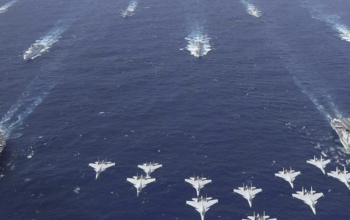
Climate change also poses direct risk to military operations and installations. Many key military bases are located in coastal or otherwise vulnerable areas. This means that rising sea levels, storm surge, or other flooding can damage them. Also, as extreme weather events become more frequent and severe, the military (or DoD) may increasingly be deployed for humanitarian aid, disaster relief, and recovery. This stretches out resources and reduces readiness for conventional defense tasks. In this sense, climate change simultaneously increases military demand while degrading military capability, a dual challenge central to national security.
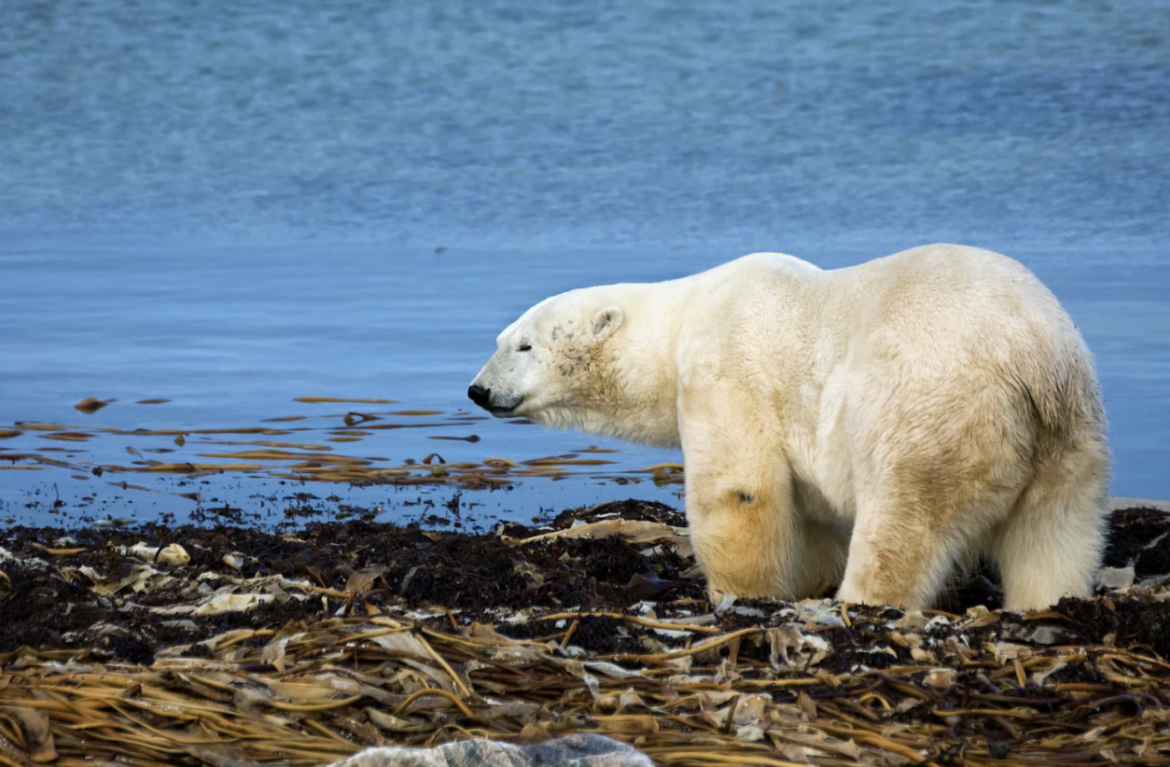
Changing climate can shift geopolitics, for example, melting Arctic ice opens new shipping lanes and access to resources, which can intensify competition among states. Moreover, instability in one region (due to climate stress) can ripple globally, triggering refugee flows, humanitarian crises, and demands for international intervention, with potential conflict or strain on alliances and international order.
The DoD and other official bodies have already noted that many U.S. installations are vulnerable to sea-level rise and other climate impacts. Regions of the world that are already facing weak governance, or social fragility are particularly vulnerable, meaning that climate change may push fragile states into collapse, internal conflict, or humanitarian crisis. Experts argue that while climate change alone may not “cause” wars, it significantly increases the risk and acts as an “accelerant of instability”. Thus, climate change’s national security implications reach from local infrastructure to global political order. As global warming continues, both domestic infrastructure and global stability face mounting stress: military readiness, humanitarian capacity, and international governance may be all tested.
Understanding climate change as a national security issue demands a shift in policy and strategy. Governments and defense agencies must integrate climate risk into national security planning, including base resilience, disaster response, and global engagement strategies. International cooperation is essential. Climate driven migration, resource scarcity, and instability require diplomatic, humanitarian, and multilateral approaches, not just military responses. Climate mitigation and adaptation, reducing greenhouse gas emissions, building resilient infrastructure, and supporting sustainable development are not only environmental or social issues but also core security imperatives necessary for long-term global stability.
Climate change is no longer just an environmental challenge. It has emerged as a complex, multifaceted threat to national and global security, affecting resources, migration, political stability, and military readiness. For policy makers; recognizing this earlier in our policy frameworks may provide the sense of urgency that other climate arguments have failed to generate. Rather than being a remote concern, climate change is already shaping strategic realities. Adapting to this new reality requires rethinking how we define security, how nations prepare for risk, and how global cooperation must evolve. The sooner governments and societies recognize and act on the security implications of climate change, the better equipped the world will be to minimize its most destructive consequences.