By Harrison Simms, Haverford ’28; image from The Times/Getty
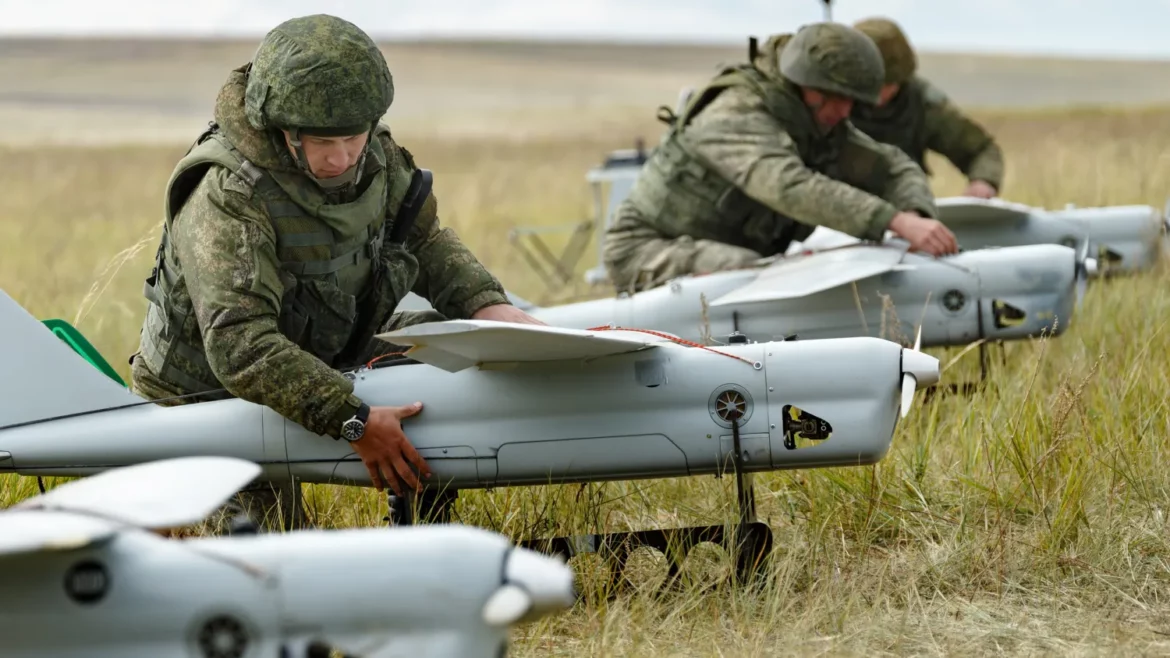
On November 25th, multiple Russian drones entered Romanian airspace, where they remained elusive until the F-16s scrambled to intercept them. They ultimately went down four hours into their incursion, marking the deepest breach of Romanian airspace by Russia since its invasion of Ukraine.
While NATO is no stranger to Russia testing the waters when it comes to its airspace, recent activity this fall has been significantly escalatory. September in particular saw two of the most notable incidents. On the 9th, around 20 Russian drones crossed into Poland, prompting a variety of NATO aircraft to scramble and shoot them down in the first direct military engagement between the coalition and Russia since the invasion of Ukraine. On the 19th, three Russian MiG-31 fighter jets entered Estonian airspace for a total of twelve continuous minutes in what a NATO spokesperson called “yet another example of reckless Russian behavior.” For context, when a Russian fighter was shot down by Turkey for violating its airspace in 2015, it was only in-country for a matter of seconds.
Unidentified drone activity has also troubled NATO members throughout Europe, with Russia being the most likely culprit. Airports in Norway and Denmark closed multiple times in September due to drone flights, causing major travel disruptions as dozens of flights were diverted and rescheduled. Drone activity caused the closure of several airports and even a military base in Belgium, while Sweden’s second-largest airport shut down due to similar incursions.
NATO is also being tested on the ground. Three Russian border guards crossed into Estonia on foot on December 17th, prompting Estonian border patrol to respond. The incident was resolved without further escalation. And, in perhaps the most egregious instance of Russian aggression towards NATO as of late, two Ukrainian nationals working in conjunction with Russia were charged by Polish authorities for blowing up a railway line between Warsaw and Lublin. The line was critical for transporting aid to Ukraine, and Polish Prime Minister Donald Tusk stated: “There is no doubt that we are dealing with an act of sabotage.”
In these past months, Russia has grown bolder in what it believes it can get away with while remaining under key escalatory thresholds and avoiding any major conflict with the alliance. These actions should not be understood as isolated or symbolic demonstrations of force. Rather, the consistency and escalation of Russia’s behavior suggest a deliberate effort to test NATO’s willingness to enforce its red lines under sustained pressure. Allowing this pattern to continue raises the chances that either side will miscalculate, potentially dragging major world powers into deadly conflict. For NATO, increasing security along its eastern flank is not simply a matter of signaling resolve, but of preventing a dangerous normalization of escalation.