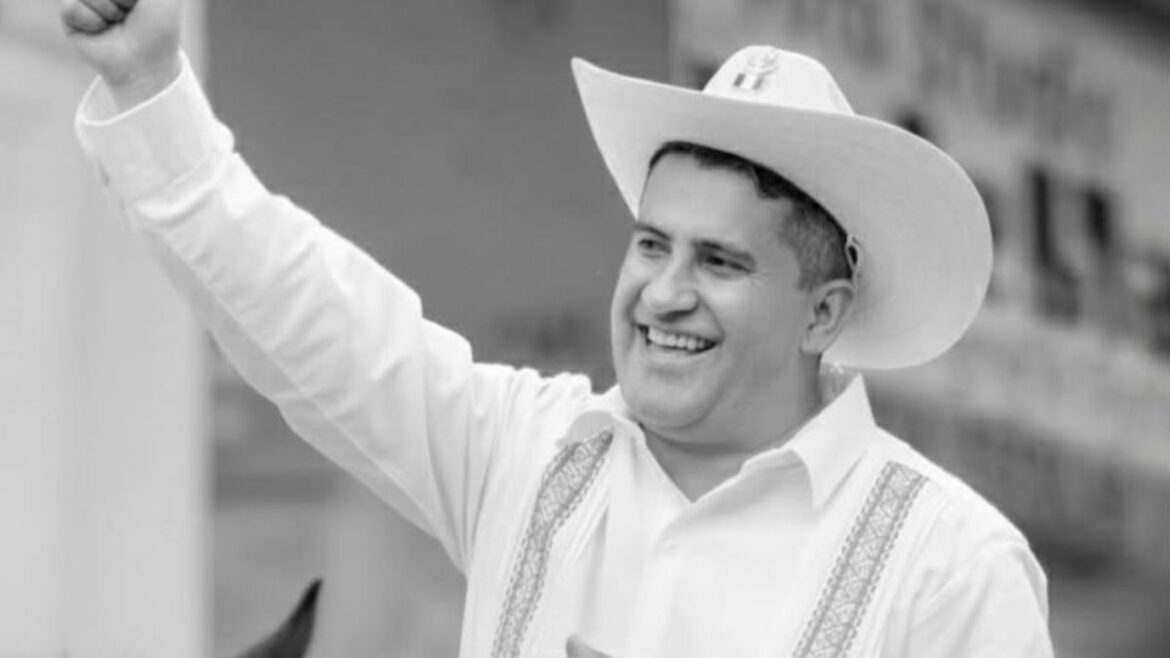
By: Aaron Nyhan, Haverford ’27; Image by Merca2.0
On the night of Saturday, November 1st, Carlos Manzo, the Mayor of Uruapan, a city in Western Mexico, was murdered while attending a celebration for the Day of the Dead. Manzo was known for being an outspoken critic of both the cartels in the state of Michoacan, where Uruapan is located, and the national government led by Claudia Sheinbaum. This murder reflects a troubling trend not just in Michoacan, where in 2024 another vocal mayor from the city of Cotija was killed after being shot 19 times alongside her bodyguard, but nationally, where 39 candidates were assassinated during the 2024 general election cycle.
In Michoacan, the explosion in American consumers’ interest in avocados has made the industry the state’s economic engine. Avocado exports to the USA have increased by 48% since 2019, as the US accounts for 80% of Mexico’s total avocado exports. This boom in demand has come with a wide variety of environmental and social consequences in Michoacan. Over 70,000 acres of land in Michoacan and the neighboring state of Jalisco have been deforested to make way for avocado cultivation. This surge in demand has not escaped the attention of the cartels, which have begun to ramp up efforts to extort small farmers in Michoacan. The cartel in Michoacan has grown more brazen, previously only focusing on big producers, but has recently shifted towards targeting small farmers as well. The cartels operate in a manner akin to the Italian mafia, demanding a share of revenue. Climate Rights International has identified more than 30 threats of intimidation and violence against farmers, including four murders and five abductions. One criminal group even threatened a US inspector in February, in a major escalation.
This repeated terrorism of the communities in Michoacan led to the rise in popularity of Manzo. Often dubbed “The Mexican Bukele”, his hardline positions against the cartel have stood in direct contrast to the current Sheinbaum administration and her predecessor, Manuel Lopez Obredador’s policy of “abrazos, no balazos”, or hugs, not bullets. While Sheinbaum and Obredador have tried to emphasize social programs to address the root cause of this organized crime, Manzo advocated for a more confrontational, violent response. Manzo has argued to kill armed criminals who resist arrest, reward officers who kill criminals, and give the police military grade weapons to fight the cartels. This has made him a major target for the cartels, who have openly threatened him and his family. This had led Manzo to don a bulletproof vest alongside his signature cowboy hat during public appearances, as he has expressed fear for his life. He said in September that he “does not want to just be another mayor on the list of those executed”, and that he was “very afraid, but must face it with courage” Even being an obvious target, he was not able to escape the fate of countless Mexican political leaders, with his death being one of the most brazen in recent memory, occurring in the town square during a massive festival.
While President Sheinbaum enjoys an approval rating above 70%, her weakest issue has long been on security, which has been at the forefront of the Mexican consciousness for decades. The shocking murder of Manzo illustrates the threat the cartel poses and the lack of a clear solution. With growing pressure from the Trump Administration to ensure that the cartels are kept in check, the Mexican government is left without a clear path forward. The recent designation of some Mexican cartels as terrorist groups reflects the will of the US government to secure all dangers below their southern border, with the ever-present threat of military intervention that so far has been avoided. The Trump administration has been clear in its threats to Venezuela to exert its will for regional security, and there is no sign that it will stop there.
The lack of visible progress on combating the cartels and the murder of Manzo has caused internal strife as well. After protests erupted across Michoacan after the murder, on November 15th, over 120 protestors were injured in Mexico City in anti-government protests. These protests were led by “Generation Z”, showing the resolve of the youth to fight the corruption and violence that has been plaguing the country for so long. The murder of Carlos Manzo illustrates the dangers that Mexico faces, both foreign and domestic, with no end in sight.