By Zoe Woodruff BMC ’25; Image from NBC News
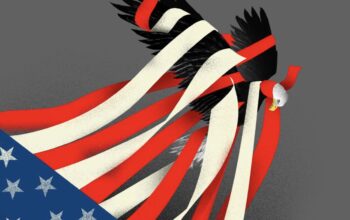
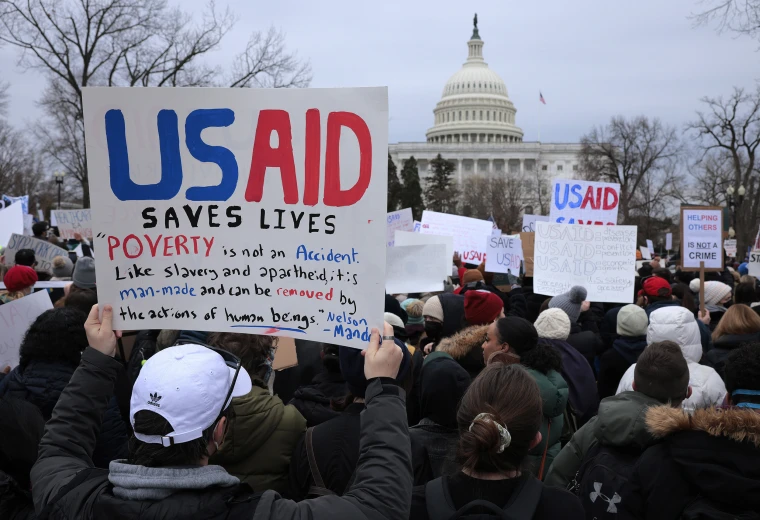
Donald Trump campaigned on putting “America first,” and in his first 100 days in office he has already begun to pull money from our foreign aid budget and renege on the promises that America has made to our allies abroad. DOGE staff entered the US Institute of Peace without permission and ordered staffers to leave. The Trump administration has pulled funding from and shut down many programs focused on providing foreign aid, despite a federal judge’s ruling that the Trump administration does not have the power to defund these organizations. Perhaps the most devastating blow has been dealt to the US Agency for International Development (USAID) which has been almost entirely defunded and lost its status as an independent agency. The Trump administration’s plan for USAID involves reducing the agency, which used to employ tens of thousands of full-time staff and contract workers, to fifteen full-time staff members, and cutting 83% of the agency’s projects. The remaining 17% of USAID’s projects will be placed under the administration of the state department.
The Trump administration’s evisceration of USAID has already had devastating consequences. The US previously made up 43% of all funding for humanitarian aid in Afghanistan, but in April the Trump administration terminated funding for the World Food Programme (WFP), responsible for providing food to 2 million starving people in Afghanistan. While the administration later reinstated funding for most other countries served by the WFP, they kept cuts to the program in Afghanistan and Yemen, citing concerns about aid falling into the hands of the Taliban and the Houthis. Those cuts mean that the 2 million people who have relied on USAID’s funding to feed themselves in the past, including 400,000 mothers and their children, now have nowhere to turn. Similar cuts in Sudan have impacted the availability of HIV and AIDS treatments. In late February, a ten-year-old boy named Peter Donde passed away after being unable to receive his HIV treatments due to Trump’s funding cuts. The Center for Global Development estimates that US funding for HIV/AIDS prevention and treatment has saved, on average, 1.6 million lives per year.
Trump’s foreign aid cuts won’t just impact those living abroad, though. USAID’s absence across the globe will have consequences for American national security. The work that USAID does on the ground prevents crisis situations that can lead to violent radicalization. In 2021, a letter signed by 79 current and former senior national security officials argued that USAID investments worked to combat instability and limit the number of security threats faced by the United States. In the Sahel region, for example, USAID investments in climate resilience have strengthened communities affected by climate change, making recruitment for the terrorist organizations gaining strength in the Sahel more difficult. As Commander Michael Langley said in testimony before the US Congress, programs targeted at international aid and development “attack the roots of terrorism and tyranny more than bullets and air strikes ever will.”
Some USAID programs also aim to stem the flow of immigration across our southern border. In Honduras, for example, USAID funding has helped local farmers deal with more and more unpredictable climates impacting their crop yields. By allowing farmers to make a living even when weather interferes with their work, USAID allows them and their families to remain at home in Honduras rather than making the long and dangerous journey to the United States. USAID programs are far cheaper than the eventual crises that they prevent, they provide critical support for those living in conditions most Americans can’t even imagine, and they make Americans safer.